


Latest News

SpaceX sent 27 more of its Starlink broadband satellites to orbit today (Oct. 23), in its first Starlink launch in 11 days.
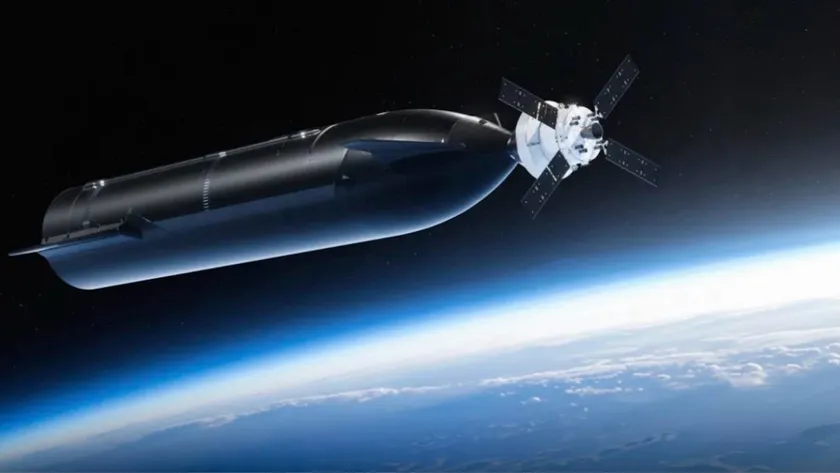
NASA just gave us our best look yet at its Artemis III moon-lander test flight, which is scheduled to launch to Earth orbit next year. But a firm liftoff date has not yet been announced.
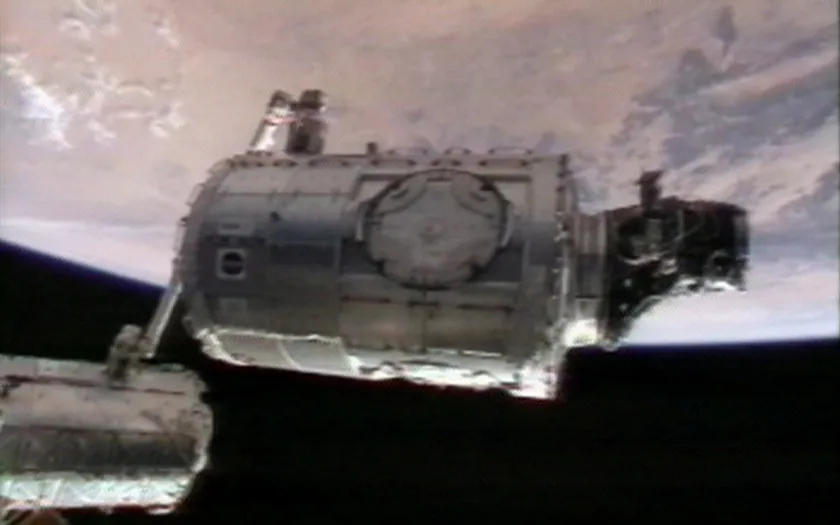
On October 23, 2007, the space shuttle Discovery launched the Harmony module to the International Space Station. Here's why it mattered.
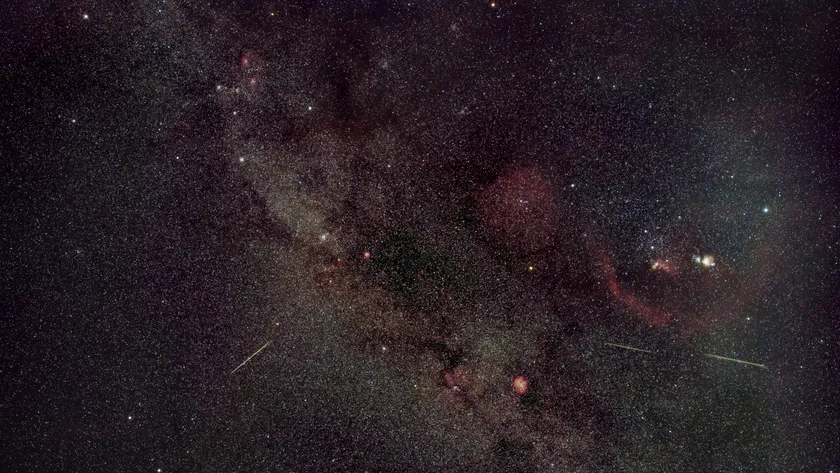
This incredible composite image of Orionid meteors was captured as Earth passed through the debris trail shed by Halley's Comet.

After a failed soft reboot and a remake of the original, the Halo universe is facing yet another major creative shift. But has Xbox learned any lessons this time?

The robotic Griffin lunar lander has passed a host of critical tests ahead of its first-ever moon mission, which is scheduled to launch later this year.
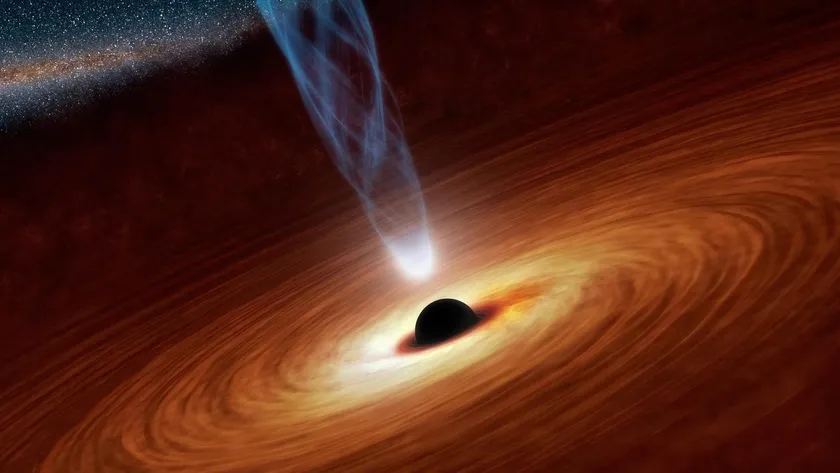
Black holes more massive than entire galaxies are not a major component of dark matter, the mysterious stuff that's thought to make up most of the matter in the cosmos, a new study finds.

Rocket Lab launched a trio of private signals-intelligence satellites to orbit today (Oct. 21), the 19th mission of the year for the California-based company.

