





Total lunar eclipse March 3 2026: Live updates
The next lunar eclipse will occur in the early hours of March 3, 2026, for observers in North America. We'll be updating this live blog as the event unfolds.
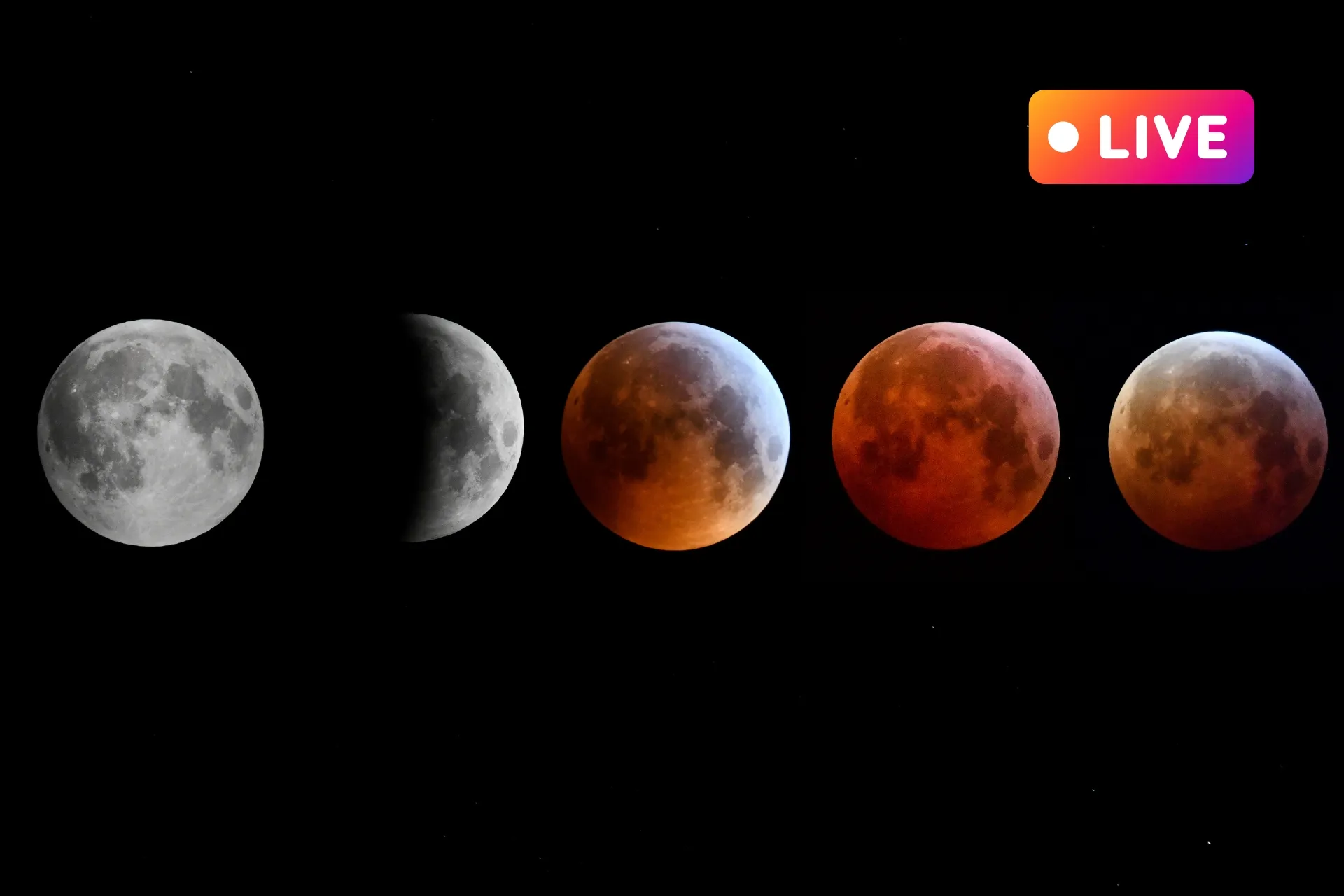
One week to the blood moon! We're ready, are you?

In just one week, a spectacular display of orbital mechanics will be visible to billions of people across the Americas, Asia, and Oceania, as Earth's shadow sweeps across the lunar disk, triggering the onset of an awe-inspiring 'blood moon' total lunar eclipse.
Read more: 1 week until a breathtaking blood moon rises over the US during total lunar eclipse 2026
Who will be able to see the total lunar eclipse?

The March 2026 total lunar eclipse will bring a dramatic blood moon to skies across North America, Australia, New Zealand and eastern Asia — if you know where to look.
Though the blood moon total lunar eclipse will be visible to billions of people across the night side of Earth on March 3, the best views will be from the western half of North America, Australia and the Pacific.
Read more: Where to see the total lunar eclipse in the early hours of March 3
Planning on heading somewhere for the blood moon? We've got you covered

Still unsure of where you'll be for the last total lunar eclipse until New Year's Eve 2028-2029? We've compiled a list of 10 of the best places to head for great views of the blood moon on March 3, from dark sky reserves to remote deserts.
Read more: 10 best places to see the 'blood moon' total lunar eclipse on March 3
A blood moon is coming, but what will actually happen?

In the early hours of March 3, skywatchers across the Americas, east Asia and Oceania will witness a blood moon total lunar eclipse. Totality, during which the moon will sit in the deepest part of Earth's shadow, the umbra, will last for 58 minutes.
But the show goes on for much longer than that.
Read more: What to expect during each phase of the 'blood moon' total lunar eclipse on March 3
Want to photograph the upcoming lunar eclipse but don't know where to start?

We've rounded up seven easy tips for photographing the total lunar eclipse on March 3 so you're not left in the dark come the big day!
You may not need advanced gear to photograph a lunar eclipse, but preparation is key.
Read more: 7 easy tips for photographing the 'blood moon' total lunar eclipse on March 3
Why does the moon turn red during a total lunar eclipse?
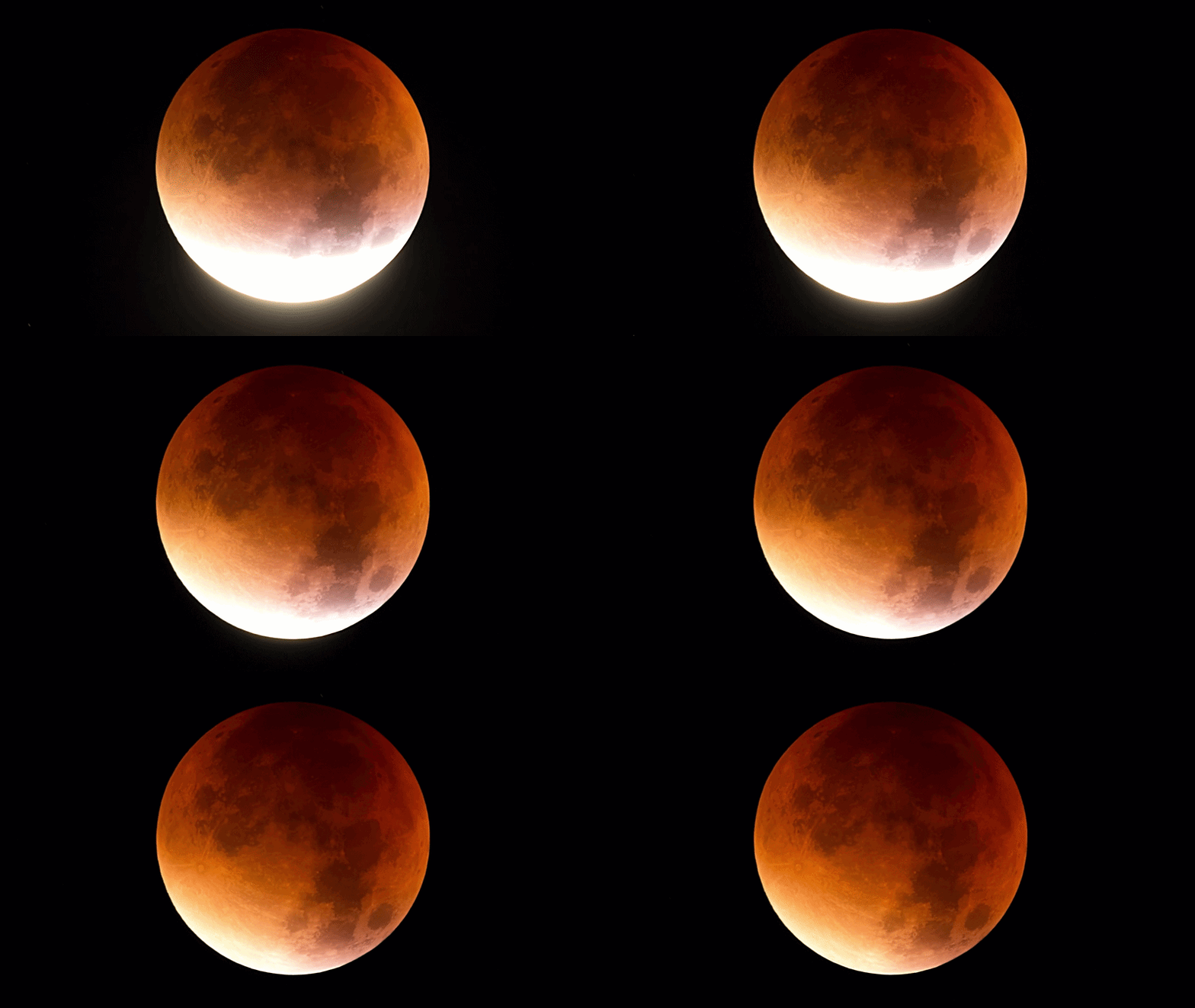
On March 3, a total lunar eclipse will turn the moon red for billions of skywatchers around the world. But what causes the blood moon? Why doesn't the moon turn completely black during a total lunar eclipse?
The answer lies in the way Earth's atmosphere bends and filters sunlight, scattering blue light while allowing red and orange wavelengths to reach the moon. It's as if all the world's sunrises and sunsets are projected onto the moon at once.
Read more: Why does the moon turn red during a total lunar eclipse?
The total lunar eclipse will be the last one for nearly 3 years

If you're planning to wake up early for the total lunar eclipse on March 3, here's something to keep in mind: after this blood moon, we won't see another for nearly 3 years! So it's worth catching this one if you can.
There are no total lunar eclipses in 2027. The next time the moon fully enters Earth's shadow won't be until Dec. 31, 2028 — New Year's Eve — kicking off a rare run of three total lunar eclipses between 2028 and 2029.
Read more: The total lunar eclipse on March 3 will be the last until New Year's Eve 2028
See the 'impossible' during March 3's total lunar eclipse

Can you really see a sunrise and a blood moon at the same time?
On March 3, some skywatchers may witness a rare atmospheric effect called a selenelion, when the rising sun and an eclipsed moon briefly share the sky.
Read more: See the 'impossible' as sunrise and a total lunar eclipse appear at the same time on March 3
What time is the eclipse and where can I watch it online?

The blood moon is almost upon us! It will be the last total lunar eclipse until New Year's Eve 2028, so catch it if you can!
Check out our handy guides below on where to watch the action online and also what time to catch the main event.
Read more: Watch the 'blood moon' total lunar eclipse on March 3 with these free livestreams
Read more: What time is the blood moon total lunar eclipse on March 3?
T-24 hours until the total lunar eclipse!

Heads up skywatchers!
Set your alarm — the total lunar eclipse of March 3 is almost here, and for many North American skywatchers it unfolds in the early hours before sunrise (weather permitting!)
Some observers may even witness a rare atmospheric illusion called a selenelion, an 'impossible' moment when the rising sun and eclipsed moon appear in the sky at the same time!
Key resources:
Total lunar eclipse weather forecast

The blood moon total lunar eclipse is mere hours away, but your ability to actually lay eyes on the shadowy display will depend entirely on your location and, of course, the weather. The latest weather forecast reveals that around half of the U.S. will have at least occasional clear skies to reveal the orbital drama, but central and eastern states will face the worst of the cloud cover.
Check out our total lunar eclipse weather forecast below to discover your viewing prospects for the March 3 blood moon eclipse.
Read more: Total lunar eclipse weather forecast: Will US skies be clear for the blood moon?
The total lunar eclipse 2026 has officially begun!

Good morning space fans!
The total lunar eclipse is now underway. The moon has begun slipping into Earth's outer shadow, known as the penumbra. Currently, there is a very subtle dimming of the lunar surface, easy to miss at first, but the shading will gradually become more noticeable. Keep your eyes peeled!
If you're unable to watch in person, then why not watch online! We've rounded up the best total lunar eclipse livestreams for you, so sit back, relax, and enjoy the show.
I've also made a big pot of coffee, so I'm here for the long haul and will be keeping you up to date with all the lunar eclipse shenanigans here on our live blog. Stay tuned!
Related: Total lunar eclipse weather forecast: Will US skies be clear for the blood moon?

Can you spot it yet?

The upper left portion of the moon is starting to look darker. Can you see it?
The shading will become more noticeable as we move towards the partial eclipse phase at 4:50 a.m. EST (0950 GMT).
Totality will occur between 6:04 and 7:04 a.m. EST (11:04–12:03 GMT), during which the moon will appear a dramatic blood red, weather permitting.
The lunar eclipse has entered the partial phase

The eclipse has now entered the partial phase. From here on, Earth's deepest shadow, known as the umbra, begins to sweep across our lunar companion. A curved, dark bit is beginning to appear on the moon's edge, slowly growing as our planet's shadow advances.
Deepening partial eclipse as we head toward totality

As more of the moon moves into the umbra, the shadow will appear dark gray at first. But watch closely as it won't stay that way! As totality approaches (beginning at 6:04 a.m. EST (1104 GMT), the eclipsed portion will begin to take on a coppery, rusty hue.
Because observers in New Zealand are viewing the moon from the opposite side of Earth compared to those in U.S., the lunar disk appears effectively rotated — making the deepening partial eclipse look "upside down," with Earth's shadow falling on the opposite side of the moon.
T-20 minutes until the start of totality!

Heads up skywatchers! There is not long to wait until the blood moon phase of the total lunar eclipse, with totality starting at 6:04 a.m. EST (1104 GMT).
Maximum eclipse will occur at 6:33 a.m. EST (1133 GMT) and totality will end at 7:02 a.m. EST (1202 GMT).
But it doesn't end there! The lunar eclipse will continue through the partial lunar eclipse phase until 8:17 a.m. EST (1317 GMT).
The lunar eclipse will officially end at 9:23 a.m. EST (1423) with the end of the penumbral phase, but this is very subtle, so it's unlikely you'll notice much of a difference.
Totality has begun!

Heads up, skywatchers, totality is here! The moon is now fully immersed in Earth's darkest shadow, known as the umbra. Sunlight refracting through Earth's atmosphere is tinting the moon red.
Behold the spectacular blood moon phase. Totality will last for 58 minutes in total, so sit back, relax and enjoy the show.
Follow along with these eclipse livestreams.
Maximum eclipse reached

The eclipse has reached maximum. The moon is closest to the center of Earth's shadow, glowing its richest red of this event.
The end of the blood moon phase

Totality has now ended. A thin, bright sliver of moonlight is beginning to reappear as the lunar disk slowly emerges from the umbra. Though the blood moon is fading, now is a great time to keep watching as the thin silvery crescent glows along one edge. Over the next hour or so, you'll see the crescent grow and sweep across the lunar disk; it's like watching all the phases of the moon sped up to mere minutes in front of your very eyes.
Read more: Totality is over — Feast your eyes on the 1st photos of the blood moon total lunar eclipse 2026
The partial lunar eclipse phase is now over

The moon has now completely exited Earth's inner shadow. The dramatic dark bite is gone and only a faint shading from the penumbra remains. The most visually striking part of the eclipse is now over.
The lunar eclipse is now over

The total lunar eclipse has officially concluded. The moon has fully left Earth's penumbral shadow and returned to its usual full brightness. This total lunar eclipse lasted 5 hours and 39 minutes from start to finish!
Read more: Totality is over — Feast your eyes on the 1st photos of the blood moon total lunar eclipse 2026
Total lunar eclipse 2026: Best photos

What a night! From the first subtle penumbral shading to almost an entire hour of dramatic red totality, this blood moon was visible to billions across the Americas, Asia and Oceania. Thank you for following along with our live coverage. If you missed it — or want to relive the magic — check out our full story featuring the best lunar eclipse photos from around the world.
Read more: The total lunar eclipse 2026 dazzles in incredible photos from around the world